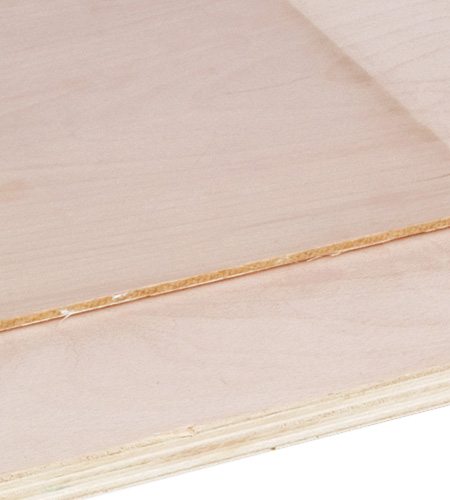
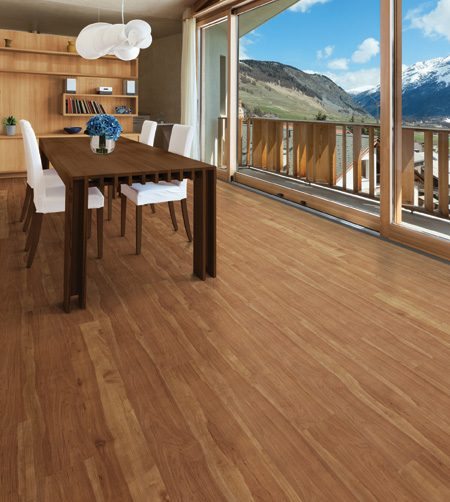
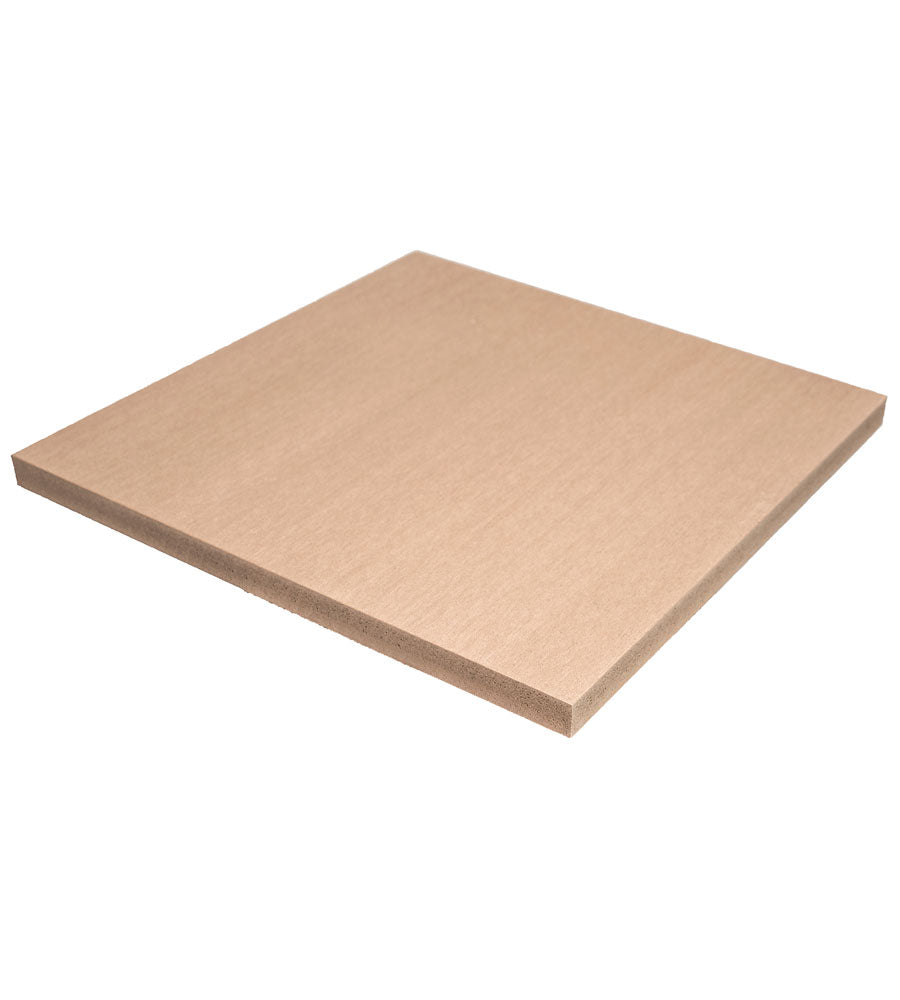
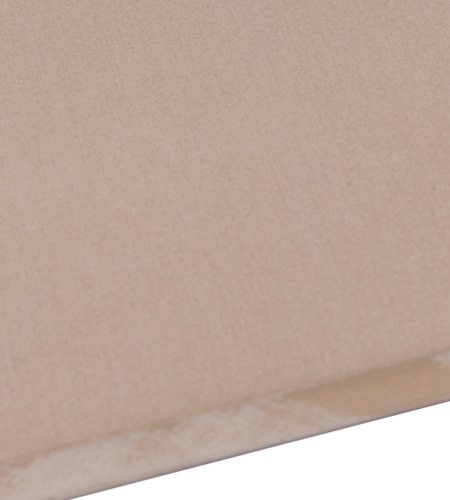
Beech Cabinet Plywood is a European hardwood-faced sheet good valued for its fine, uniform grain, exceptional hardness, and clean response to both stain and paint. Beech is the foundation species of Scandinavian and European furniture traditions -- the tight, pale grain produces a contemporary, light-toned surface that suits modern cabinetry, minimalist built-ins, and high-end furniture work. It is one of the hardest domestically available hardwood veneers, making it particularly suitable for applications subject to wear. Available in 1/4" and 3/4" in standard 4 x 8 ft sheets.
Features
- Beech face veneer -- one of the hardest European hardwoods, excellent wear and impact resistance
- Fine, uniform straight grain with moderate natural luster -- suits contemporary and Scandinavian-style furniture
- Accepts stain, paint, and clear finishes evenly -- consistent colour across the face veneer
- Hardwood core construction for dimensional stability
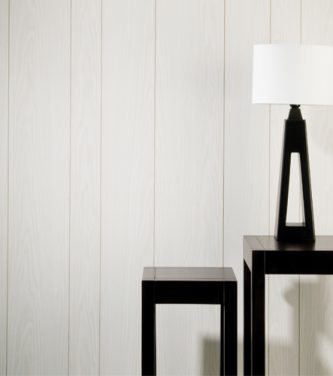
- Suitable for fine furniture, panel walls, wall units, cabinetry, and built-ins
- Available in 1/4" and 3/4" -- confirm current stock with your local branch
Specifications
| Face Species |
European Beech |
| Core Type |
Hardwood core |
| Grain / Texture |
Straight -- fine to medium uniform texture with moderate natural luster |
| Colour |
Pale cream to light tan -- consistent and uniform across sheets |
| Sheet Size |
4 x 8 ft |
| Thicknesses Available |
1/4", 3/4" -- confirm current stock with your local branch |
| Surface Finish |
Sanded both sides (S2S) |
| Grade |
Cabinet-grade -- confirm face grade with your local branch |
| Availability |
In-store -- some thicknesses may be special order. Confirm stock with your local Windsor Plywood location. |
Common Uses
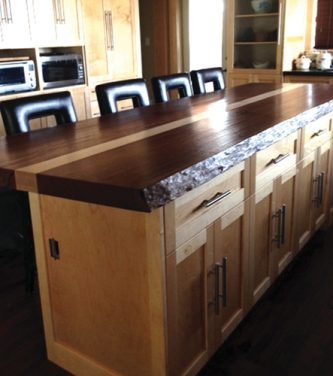
Beech Cabinet Plywood is well suited for contemporary kitchen cabinetry, Scandinavian-style furniture panels, wall units, panel walls, retail display fixtures, and any built-in application where a pale, consistent hardwood face is the design goal. The hardness of the beech veneer makes it a strong choice for high-use surfaces such as cabinet doors, drawer fronts, and desktop panels that will see regular contact.
Pairs Well With
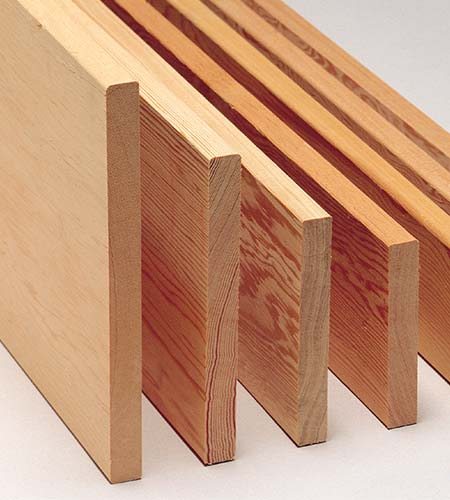
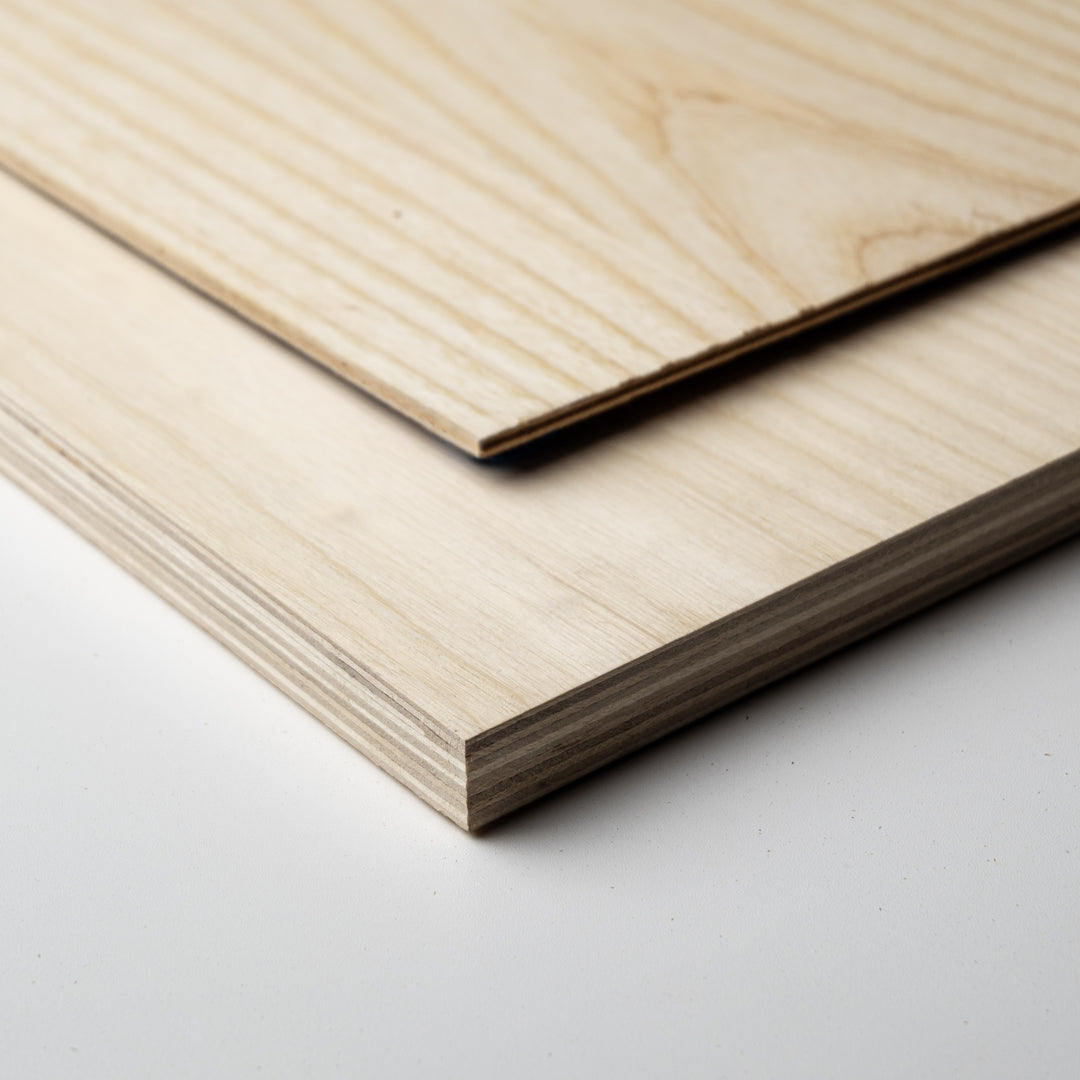
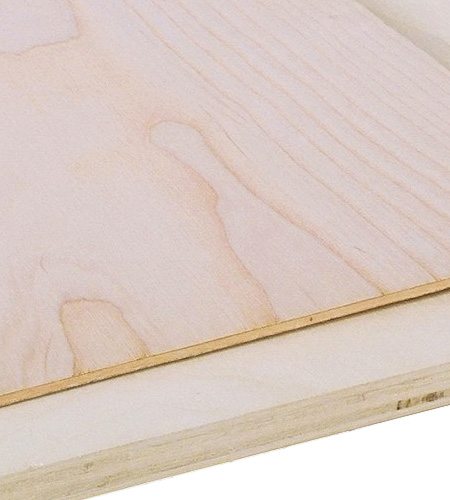
Use alongside Beech Hardwood Lumber for face frames and solid wood edge details that match the plywood panels. For a similar light-toned hardwood option with a more pronounced grain, Ash Cabinet Plywood is a natural alternative. For a warmer Scandinavian palette, Maple Cabinet Plywood pairs well in two-tone applications.
Pro Tips
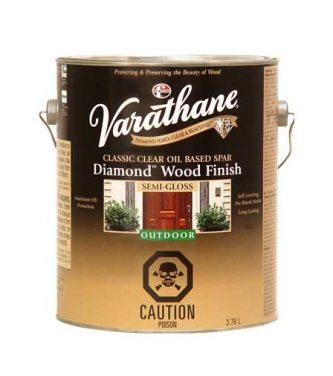
- Beech accepts water-based finishes particularly well -- water-based polyurethane or hardwax oil produces a clean, natural result that preserves the pale tone. Oil-based finishes tend to amber over time on beech, which may not suit contemporary design intent.
- The tight, fine grain of beech requires minimal surface preparation before finishing -- a light sand with 180-grit followed by a tack cloth is sufficient for most clear coat applications.
- For painted applications, beech takes primer and topcoat evenly with minimal grain telegraph, making it a cleaner base for painted cabinetry than open-grain species such as oak.
Frequently Asked Questions
What is beech plywood best used for?
Beech is particularly well suited for contemporary and Scandinavian-style cabinetry and furniture where a uniform, pale hardwood face is the design intent. The hardness of the veneer also makes it a good choice for high-contact surfaces such as cabinet doors, drawer fronts, and desktops that need to resist everyday wear.
How does beech compare to maple or oak for cabinetry?
Beech has a finer, more uniform grain than oak with less pronounced figure, producing a cleaner, more contemporary look. It is comparable to maple in tone and grain uniformity but is slightly harder. If you want a consistent, light-coloured surface that suits minimalist design, beech and maple are both strong choices -- the difference is subtle and often comes down to regional availability and personal preference.
Does beech plywood need to be stained?
No. Beech looks excellent under a clear finish -- the pale, consistent grain is part of its appeal in Scandinavian and contemporary furniture design. Staining is an option if a darker tone is required, but beech takes stain unevenly compared to oak. A clear hardwax oil or water-based polyurethane is the standard approach for natural finishes.
Is 1/4" or 3/4" more commonly used?
3/4" is the standard for cabinet carcases, face frames, and structural furniture components. 1/4" is used for cabinet backs, drawer bottoms, and decorative panel inserts within a solid wood or plywood frame. Confirm current stock of both thicknesses with your local Windsor Plywood location before planning your project.
 Find Your Store